OCEAN
ACIDIFICATION

ประเด็นอภิปรายในห้องเรียน
-
ถ้าคุณมีโอกาสสร้างแคมเปญเพื่อสื่อสารเรื่อง “ทะเลเป็นกรด” กับเพื่อนๆ คุณจะใช้วิธีใด?
-
Ocean Acidification เกี่ยวข้องกับการปล่อย CO₂ อย่างไร? แล้วพฤติกรรมใดในชีวิตประจำวันของเราที่สามารถลดผลกระทบนี้ได้?
Classroom Discussion Topics
-
If you had the chance to create a campaign to help your friends understand ocean acidification, how would you communicate the issue?
-
How is ocean acidification connected to CO₂ emissions, and what daily behaviors can help reduce its impacts?
Ocean Acidification: เมื่อทะเลเป็นกรด...ใครคือผู้ได้รับผลกระทบ?
ทะเล คือแหล่งผลิตออกซิเจนของโลก เป็นที่อยู่อาศัยของสิ่งมีชีวิตหลายล้านสายพันธุ์ และเป็นหนึ่งในแนวป้องกันภาวะโลกร้อน
แต่ในขณะเดียวกัน มหาสมุทรก็กำลังดูดซับ “คาร์บอนไดออกไซด์” จากชั้นบรรยากาศในปริมาณมหาศาล และนั่นนำไปสู่ปรากฏการณ์ที่เรียกว่า “Ocean Acidification” หรือ การที่น้ำทะเลเป็นกรดมากขึ้น
Ocean Acidification คืออะไร?
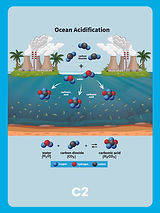
คือกระบวนการที่ คาร์บอนไดออกไซด์ (CO₂) จากบรรยากาศถูกดูดซับเข้าสู่น้ำทะเล → ทำปฏิกิริยากับน้ำ → เกิดกรดคาร์บอนิก (H₂CO₃)
แม้กรดนี้จะอ่อน แต่เมื่อเกิดขึ้นอย่างต่อเนื่องในปริมาณมาก จะทำให้ ค่าความเป็นด่างของน้ำทะเล (pH) ลดลงเรื่อยๆ
🌍 มหาสมุทรได้ดูดซับ CO₂ มากกว่า 30% ของทั้งหมดที่มนุษย์ปล่อยขึ้นไปในอากาศ
📉 ค่าความเป็นกรด-ด่าง (pH) ของน้ำทะเลทั่วโลกลดลงประมาณ 0.1 หน่วย ตั้งแต่ยุคปฏิวัติอุตสาหกรรม และอาจลดลงอีก 0.3–0.4 หน่วยในปลายศตวรรษนี้
ทำไม Ocean Acidification ถึงน่ากังวล?
-
สิ่งมีชีวิตเปลือกแข็งเสี่ยงต่อการละลาย: ปะการัง หอย หอยเม่น และแพลงก์ตอนบางชนิด สร้างเปลือกจากแคลเซียมคาร์บอเนต ซึ่งละลายได้ง่ายขึ้นเมื่อน้ำเป็นกรด
-
ห่วงโซ่อาหารทะเลสั่นคลอน: แพลงก์ตอนเปลือกแข็งบางชนิดเป็นอาหารหลักของปลาตัวเล็ก → ปลาใหญ่ → สัตว์ทะเล → มนุษย์
-
การเจริญเติบโตของปะการังลดลง: แนวปะการังไม่สามารถขยายหรือฟื้นตัวได้อย่างเต็มที่
-
ผลกระทบต่อพฤติกรรมสัตว์ทะเล: งานวิจัยบางชิ้นพบว่า ปลาบางชนิดเปลี่ยนพฤติกรรมหลบหลีกผู้ล่าในน้ำที่มี pH ต่ำ
ผลกระทบต่อมนุษย์
-
ผลต่อเศรษฐกิจประมง: หอยนางรม หอยแมลงภู่ กุ้ง ปู และสัตว์ทะเลเศรษฐกิจอื่น ๆ เสี่ยงต่อการเจริญเติบโตผิดปกติหรือตายตั้งแต่ระยะตัวอ่อน
-
กระทบต่อความมั่นคงด้านอาหาร: โดยเฉพาะในชุมชนชายฝั่งที่พึ่งพาทะเลโดยตรง
-
ท่องเที่ยวชายฝั่งได้รับผลกระทบทางอ้อม: หากแนวปะการังเสื่อมสภาพ
สถานการณ์ในประเทศไทย
-
ทะเลอันดามันและอ่าวไทยมีแนวโน้มเปลี่ยนแปลงค่าพีเอช โดยเฉพาะในพื้นที่ที่มีการปล่อย CO₂ หนาแน่น หรือมีการเปลี่ยนแปลงอุณหภูมิอย่างรวดเร็ว
-
ปะการังในบางพื้นที่เริ่มเจอปัญหาการสร้างโครงสร้างแคลเซียมช้าลง และเสี่ยงฟอกขาวร่วมกับผลกระทบจากกรด
-
ยังขาดระบบเฝ้าระวังแบบเฉพาะด้าน Ocean Acidification ทำให้จำเป็นต้องส่งเสริมการวิจัยในระยะยาว
ทางออกและสิ่งที่เราทำได้
-
ลดการปล่อยก๊าซเรือนกระจก จากพลังงานฟอสซิล
-
เพิ่มพื้นที่สีเขียวและฟื้นฟูระบบนิเวศชายฝั่ง เช่น ป่าชายเลน และหญ้าทะเล ที่ช่วยดูดซับ CO₂
-
สนับสนุนการติดตามค่าพีเอชในทะเล เพื่อเตือนภัยล่วงหน้าและใช้ข้อมูลวิทยาศาสตร์ในการวางแผนอนุรักษ์
-
สร้างความรู้ในเยาวชน เกี่ยวกับความเชื่อมโยงระหว่างการเปลี่ยนแปลงสภาพภูมิอากาศกับมหาสมุทร
แหล่งข้อมูลเพิ่มเติม
-
กรมทรัพยากรทางทะเลและชายฝั่ง: รายงานคุณภาพน้ำทะเล
-
UNESCO Thailand: บทเรียนด้าน Ocean Literacy และ Acidification
-
WWF ประเทศไทย: สถานการณ์ทะเลไทยและผลกระทบจาก Climate Change
-
บทความวิชาการ: ผลกระทบของ Ocean Acidification ต่อปะการัง – มหาวิทยาลัยมหิดล
EN
Ocean Acidification:
When the Sea Becomes More Acidic... Who Is Affected?
The ocean is one of the world’s major sources of oxygen, home to millions of species, and an important buffer against global warming.
At the same time, however, the ocean is absorbing enormous amounts of carbon dioxide (CO₂) from the atmosphere. This leads to a phenomenon known as ocean acidification, or the increasing acidity of seawater.
What is ocean acidification?
Ocean acidification is the process in which carbon dioxide (CO₂) from the atmosphere is absorbed into seawater, where it reacts with water to form carbonic acid (H₂CO₃).
Although this is a weak acid, when it is produced continuously in large amounts, it gradually lowers the pH of seawater.
🌍 The ocean has absorbed more than 30% of the CO₂ released by human activities into the atmosphere.
📉 The average pH of global seawater has fallen by about 0.1 units since the Industrial Revolution, and it may decline by another 0.3–0.4 units by the end of this century.
Why is ocean acidification a concern?
-
Shell-forming organisms are at risk of dissolving: Corals, shellfish, sea urchins, and some plankton species build their shells or skeletons from calcium carbonate, which becomes easier to dissolve in more acidic water.
-
Marine food chains are disrupted: Some shell-forming plankton are a key food source for small fish, which are then eaten by larger fish, other marine animals, and ultimately humans.
-
Coral growth slows down: Coral reefs become less able to expand and recover fully.
-
Marine animal behavior may change: Some studies suggest that certain fish species alter their ability to avoid predators in lower-pH water.
Impacts on humans
-
Fisheries are affected: Oysters, mussels, shrimp, crabs, and other economically important marine species may grow abnormally or die during their larval stages.
-
Food security is threatened: This is especially serious for coastal communities that depend directly on the sea.
-
Coastal tourism is indirectly affected: Especially when coral reefs deteriorate.
The situation in Thailand
-
The Andaman Sea and the Gulf of Thailand show signs of changing pH levels, particularly in areas with high CO₂ emissions or rapid temperature changes.
-
In some locations, corals are already showing slower calcium structure formation and face a greater risk of bleaching alongside acidification stress.
-
Thailand still lacks a dedicated ocean acidification monitoring system, highlighting the need for more long-term research.
Solutions and what we can do
-
Reduce greenhouse gas emissions from fossil fuel use.
-
Expand green areas and restore coastal ecosystems such as mangrove forests and seagrass beds, which help absorb CO₂.
-
Support seawater pH monitoring to provide early warnings and guide conservation planning based on scientific data.
-
Build awareness among young people about the connection between climate change and the ocean.
Additional resources
-
Department of Marine and Coastal Resources: Marine water quality reports
-
UNESCO Thailand: Ocean Literacy and Acidification learning materials
-
WWF Thailand: The state of Thai seas and the impacts of climate change
-
Academic article: The impacts of ocean acidification on corals – Mahidol University
