
ประเด็นอภิปรายในห้องเรียน
-
ปัญหาพลาสติกในทะเลเป็นปัญหา “ระดับโลก” อย่างไร และเกี่ยวข้องกับชีวิตประจำวันของเราอย่างไร?
-
ถ้าคุณมีโอกาสออกแบบนโยบายระดับโรงเรียน/ชุมชนเพื่อแก้ปัญหานี้ คุณจะเริ่มต้นที่จุดใด?
Classroom discussion topics
-
How is marine plastic pollution a global problem, and how does it relate to our daily lives?
-
If you had the opportunity to design a school- or community-level policy to address this issue, where would you start?
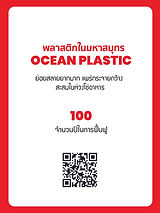
วิกฤตพลาสติกในมหาสมุทร
พลาสติก เป็นวัสดุที่เปลี่ยนโลกให้สะดวกขึ้นในช่วงศตวรรษที่ผ่านมา แต่ขณะเดียวกันก็กลายเป็นภัยเงียบที่กำลังคุกคามระบบนิเวศทางทะเลอย่างรุนแรง โดยเฉพาะในช่วง 50 ปีที่ผ่านมา ขยะพลาสติกได้สะสมในธรรมชาติอย่างมหาศาล จนองค์การสหประชาชาติและองค์กรสิ่งแวดล้อมหลายแห่งยกระดับปัญหานี้ให้เป็น “วิกฤตระดับโลก”
ข้อมูลสำคัญที่ควรทราบ
-
มีขยะพลาสติกประมาณ 11 ล้านตัน ไหลลงสู่ทะเลในแต่ละปี และมีแนวโน้มเพิ่มขึ้นอย่างต่อเนื่อง
-
งานวิจัยหลายชิ้นคาดการณ์ว่า ภายในปี ค.ศ. 2050 ปริมาณพลาสติกในทะเลอาจมีน้ำหนักมากกว่าปลา
-
ขยะพลาสติกส่วนใหญ่ที่ลงสู่ทะเลไม่ได้เกิดจากเรือหรือกิจกรรมในทะเลโดยตรง แต่ ร้อยละ 80 มาจากบนฝั่ง ผ่านทางแม่น้ำ ระบบระบายน้ำ และพฤติกรรมของผู้บริโภค
ผลกระทบต่อสิ่งแวดล้อมและสิ่งมีชีวิต
-
สัตว์ทะเลหลากหลายชนิดเข้าใจผิดและกินพลาสติกโดยไม่รู้ตัว เช่น เต่าทะเลที่คิดว่าถุงพลาสติกคือแมงกะพรุน หรือวาฬที่เสียชีวิตจากการกินขยะพลาสติก
-
พลาสติกไม่สามารถย่อยสลายได้ตามธรรมชาติ แต่จะแตกตัวเป็น “ไมโครพลาสติก” ซึ่งแทรกซึมเข้าไปในห่วงโซ่อาหาร และพบได้แม้ในปลา เกลือทะเล และน้ำดื่ม
-
ปะการังและระบบนิเวศชายฝั่งได้รับผลกระทบจากพลาสติกที่ปิดกั้นแสง และทำให้เกิดโรคในระบบนิเวศทะเล
ความเชื่อมโยงกับชีวิตมนุษย์
-
เมื่อไมโครพลาสติกเข้าสู่ห่วงโซ่อาหาร มนุษย์ก็อาจรับสารตกค้างสะสมเหล่านี้ผ่านการบริโภคอาหารทะเล
-
พลาสติกในทะเลยังส่งผลต่อเศรษฐกิจ เช่น การท่องเที่ยวและการประมงที่ต้องเผชิญกับความเสื่อมโทรมของสิ่งแวดล้อม
เราจะแก้ไขปัญหานี้ได้อย่างไร
-
ส่งเสริมการใช้วัสดุทางเลือก และลดการใช้พลาสติกแบบใช้ครั้งเดียว
-
พัฒนาเทคโนโลยีการรีไซเคิล และระบบจัดการขยะที่มีประสิทธิภาพ
-
สร้างความตระหนักรู้ในระดับเยาวชนและชุมชนให้เข้าใจผลกระทบอย่างเป็นระบบ
-
ผลักดันนโยบายและความร่วมมือระหว่างประเทศในการควบคุมการผลิตและการใช้พลาสติก
แหล่งข้อมูลเพิ่มเติม
-
โครงการสิ่งแวดล้อมแห่งสหประชาชาติ (UNEP): พลาสติกในทะเลคืออะไร และเราจะแก้ไขได้อย่างไร
-
WWF ประเทศไทย: รายงานสถานการณ์ขยะทะเล
-
กรมทรัพยากรทางทะเลและชายฝั่ง: ความรู้เกี่ยวกับไมโครพลาสติก
-
มูลนิธิรักษ์ไทย: ขยะทะเล และแนวทางลดการใช้พลาสติก
EN
The Ocean Plastic Crisis
Plastic is a material that has made life more convenient over the past century. At the same time, however, it has become a silent threat that is seriously endangering marine ecosystems. Over the last 50 years in particular, plastic waste has accumulated in nature on a massive scale, leading the United Nations and many environmental organizations to recognize it as a global crisis.
Key facts to know
-
Around 11 million tons of plastic waste enter the ocean each year, and this figure is expected to continue rising.
-
Many studies predict that by 2050, the total weight of plastic in the ocean could exceed that of fish.
-
Most plastic waste found in the ocean does not come directly from ships or marine activities. Instead, 80 percent comes from land, carried by rivers, drainage systems, and consumer behavior.
Impacts on the environment and living organisms
-
Many marine animals mistakenly consume plastic. For example, sea turtles may confuse plastic bags with jellyfish, and whales have died after ingesting large amounts of plastic waste.
-
Plastic does not naturally biodegrade. Instead, it breaks down into microplastics, which enter the food chain and have been found in fish, sea salt, and even drinking water.
-
Coral reefs and coastal ecosystems are also affected by plastic pollution, which can block sunlight and contribute to disease in marine environments.
Connections to human life
-
When microplastics enter the food chain, humans may also ingest these accumulated residues through seafood consumption.
-
Plastic pollution in the ocean also affects the economy, especially tourism and fisheries, both of which suffer from environmental degradation.
How can we solve this problem?
-
Promote the use of alternative materials and reduce the use of single-use plastics.
-
Develop recycling technologies and more effective waste management systems.
-
Raise awareness among young people and communities so they understand the impacts in a systematic way.
-
Support policies and international cooperation to regulate plastic production and use.
Additional sources
-
United Nations Environment Programme (UNEP): What is marine litter and how can we address it?
-
WWF Thailand: Marine waste situation report
-
Department of Marine and Coastal Resources: Knowledge about microplastics
-
Rak Thai Foundation: Marine waste and ways to reduce plastic use
OCEAN
PLASTIC
